
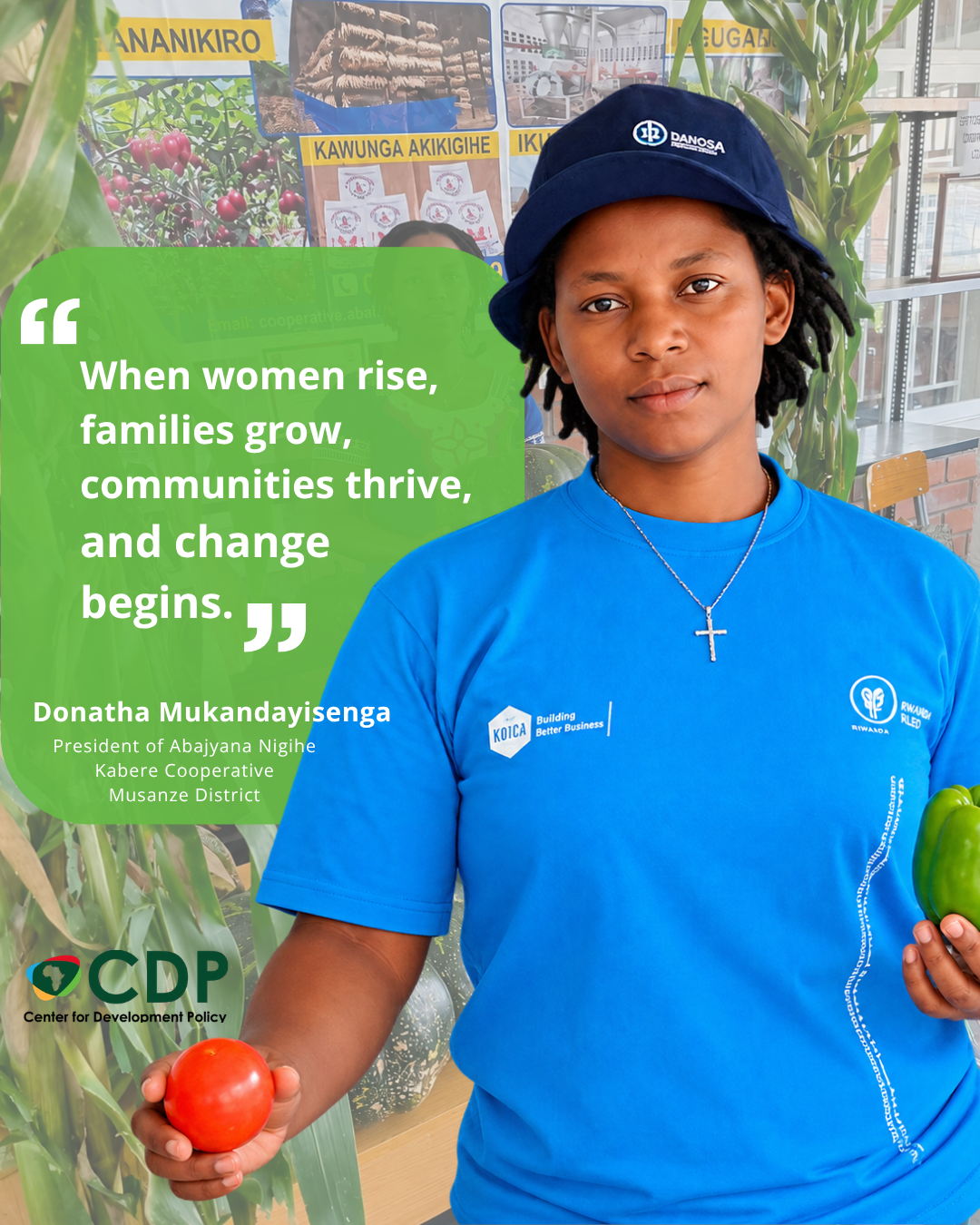
How Abajyana Nigihe Kabere Cooperative is Empowering Women, Strengthening Communities?
For years, many women in rural Rwanda rarely participated in household decision-making or held leadership positions in their communities. Today, that narrative has changed, with women increasingly taking on leadership roles, improving household incomes and driving local economic transformation through cooperatives.
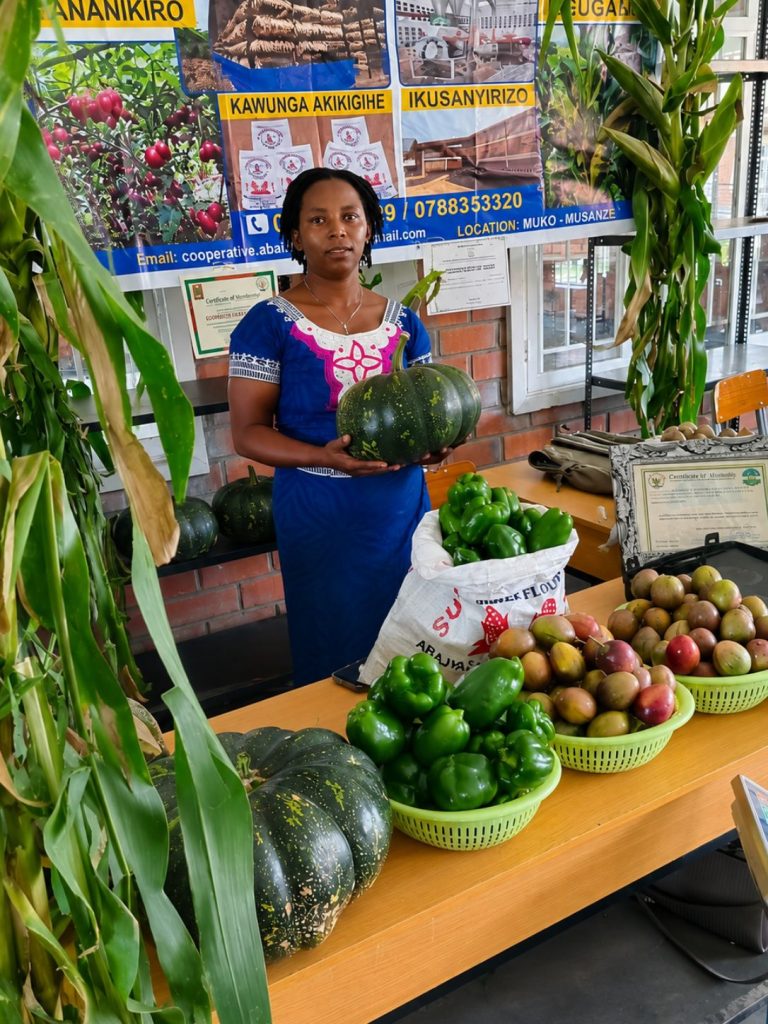
At Abajyana Nigihe Kabere Cooperative in Musanze District, that transformation is already evident. Women make up the majority of the cooperative’s membership and have played a central role in its growth. Through leadership training, improved farming practices and improved access to finance, they have gained the confidence and skills to take on leadership roles, grow their businesses and contribute to the wellbeing of their families and the development of their communities.
According to Donatha Mukandayisenga, who has led the cooperative for the past three years, empowering women creates ripple effects that extend far beyond individual households.
“Women are the heart of every home. When they are empowered with knowledge, skills and opportunities, everything changes. They improve their households and contribute to the country’s development,” she said.
Located in Kabere Village, Cyogo Cell, Muko Sector, the cooperative was established in 2011 with just 28 members. Today, it has grown into a thriving agricultural cooperative with about 120 members, specializing in the production of maize, beans, Irish potatoes, vegetables, and fruits.
For Mukandayisenga, the cooperative’s progress has gone hand in hand with her own personal transformation.
“When I became a leader, I lacked confidence and often doubted myself. Today, I can confidently lead others because of the training and mentorship we received,” she said.
She added that one of the most significant changes has been the growing confidence of women within the cooperative.
“In the past, I believed that we could not speak up or participate in decision-making. Today, as a woman, I lead the cooperative, contribute financially to my household and take part in important decisions. Men are no longer the only breadwinners.”
Mukandayisenga’s experience reflects the broader progress of women’s participation in cooperatives across Rwanda. According to the latest data from the Rwanda Cooperative Agency, women account for about 47.5 percent of the more than 4.6 million cooperative memberships nationwide. In leadership, women occupy 38 percent of elected positions within cooperatives.
Women’s participation is also growing in Rwanda’s formal financial sector. The Women in Financial Services Rwanda 2025 Study found that women hold nearly 39 percent of board and CEO positions across formal financial institutions and account for about 35 percent of senior executive committee positions.
This progress is mirrored in other areas of public leadership. According to figures from the Ministry of Gender and Family Promotion, women account for 61.3 percent of members of the Lower House of Parliament, 38.4 percent of Senators, 45.4 percent of Cabinet members and 51 percent of judges.
Mukandayisenga said leadership and governance training provided by the Center for Development Policy (CDP) has strengthened collaboration among members, improved accountability and enhanced the cooperative’s overall performance. It has also created opportunities for young people to engage in agriculture and expand their agribusinesses.
While celebrating the progress made, she called for continued leadership and entrepreneurship training to help more women build confidence, strengthen their businesses and expand their contribution to community development.
From subsistence farming to agribusiness
Mukandayisenga recalled that farming was once regarded as a low-value activity in her community, with farmers producing small harvests and struggling to access reliable markets.
She said that, “members established the cooperative to improve their livelihoods by joining forces to increase productivity, add value to their produce and transform farming into a sustainable business.”
The cooperative’s transformation accelerated after collaborating with the Centre for Development Policy (CDP), which provided training in modern farming techniques, cooperative governance, leadership, financial management and business planning.
“The impact has been significant,” she said.
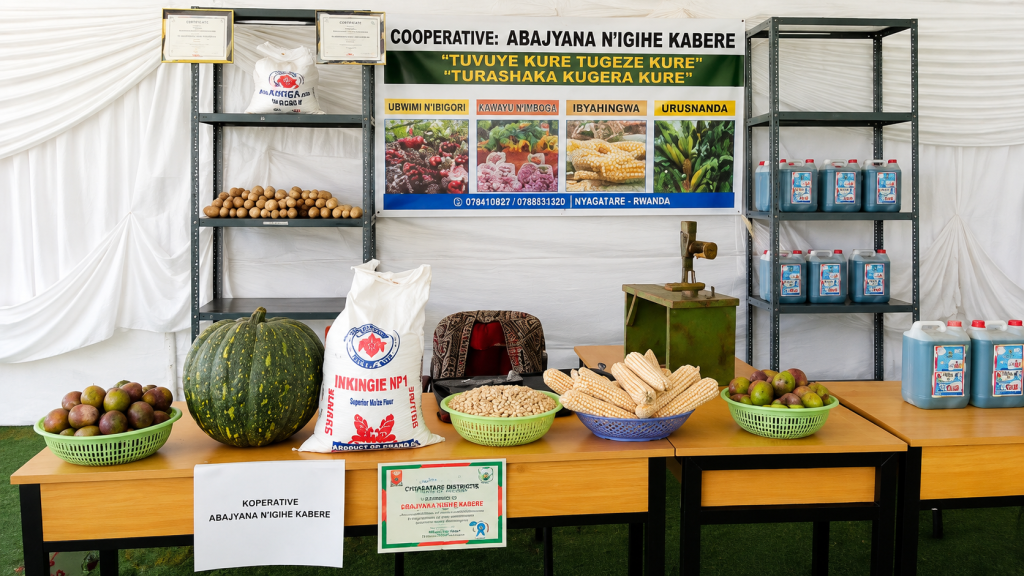

On the same 24 hectares of land, maize production increased from around 90 tonnes to more than 130 tonnes after members adopted improved farming practices and better crop management techniques.
Mukandayisenga affirms that the training changed the way they farm. They learned modern agricultural practices, how to manage production and how to secure markets for their harvests, as well as business planning of their farming activities.
Beyond capacity building, improved access to finance has enabled the cooperative to expand its operations.
With support facilitated by CDP, the cooperative secured financing from Money Phone on two occasions, including loans of Rwf 15 million and Rwf 42 million, bringing its total credit access to Rwf 57 million.
The financing enabled members to expand cultivation, secure and invest in quality agricultural inputs, and increase productivity. The cooperative’s annual turnover has since reached approximately Rwf 67.5 million.
“Thanks to CDP, which has linked our cooperative to the Eastern Africa Exchange (EAX) through contract farming, providing members with more reliable and structured markets for their produce.”, said Mukandayisenga.
Despite the progress, Mukandayisenga said access to affordable financing remains one of the cooperative’s biggest challenges.
She noted that establishing an agricultural input shop would enable members to purchase improved seeds and fertilizers at lower prices while generating additional income for the cooperative.
Meanwhile, beyond benefiting its members, the cooperative also contributes to the wider community by creating employment opportunities, particularly for women.
It also supports approximately 780 community members through community-based health insurance (Mutuelle de Santé) and provides training on modern farming practices and post-harvest handling to help improve agricultural productivity.
Mukandayisenga believes expanding access to affordable financing and continuing leadership and technical training would enable the cooperative to scale its impact even further.
Reflecting on the nation’s broader vision, over the years, government initiatives, supported by development partners, have expanded women’s access to leadership opportunities, financial services and skills development. However, for sustainable growth, proximity business development technical support to such smallholder farmers remains imperative.
The story of Abajyana Nigihe Kabere demonstrates how investing in women’s leadership can transform not only individual lives, but also the entire community.