
Turning Finance into Harvests: KOPUBIGA’s Story in Bugesera
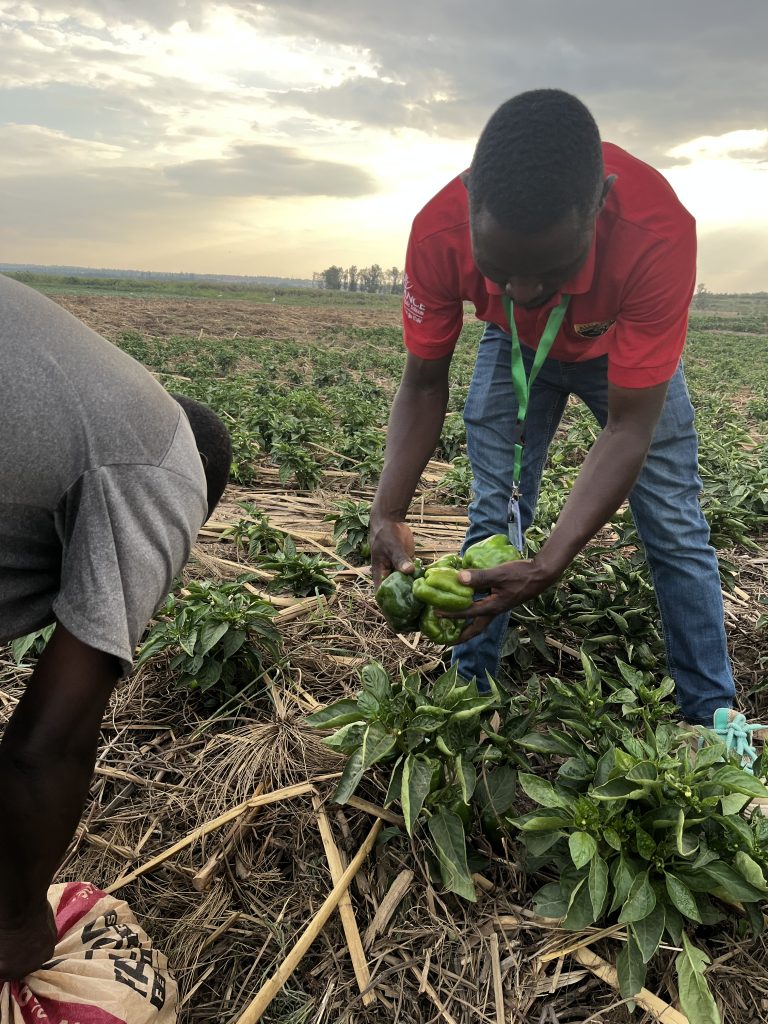
KOPUBIGA Cooperative members harvesting tomatoes in their field. In the wetlands of Kanyonyomba, 135 farmers shared the same problem where they had land and ambition, but no way to pay for what they needed to grow. Without individual collateral or limited business track record, banks would not lend to them. This made it hard for […]
Growing Beyond Borders: Isangano-Bumbogo’s Journey from Local Farming to Export Markets
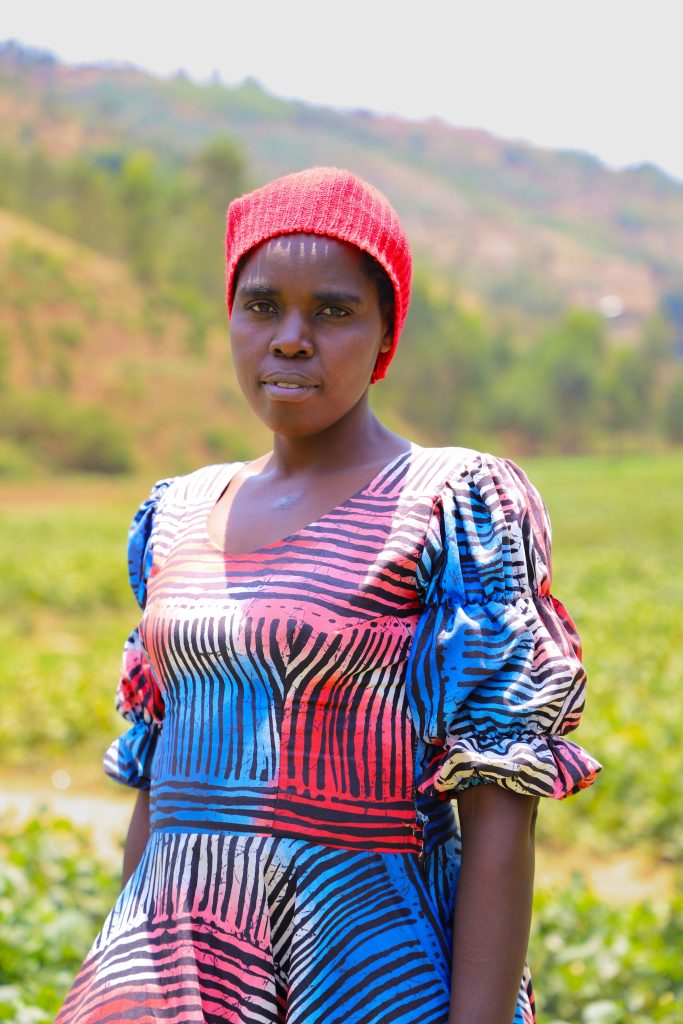
Emmerance Mukamurigo, president of Isangano-Bumbogo Cooperative. In 2017, twenty-eight farmers in the Bumbogo Sector of Gasabo District came together with a goal to grow vegetables and fruit on a shared plot of land and build a better life through agriculture. They called themselves Isangano-Bumbogo, and their president, Emmerance Mukamurigo, remembers those early days well. “We […]
The State of Agri-Cooperatives in Rwanda: The “Paradox of Growth and Sustainability’’
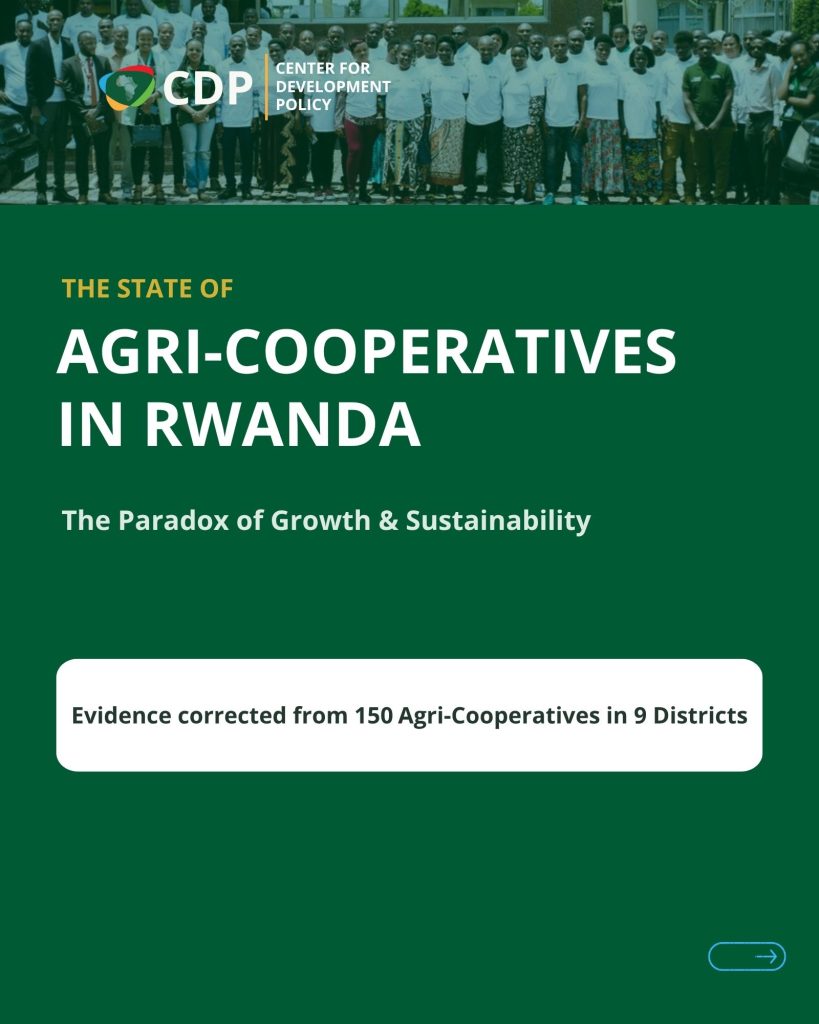
This policy brief examines the growth and sustainability of agricultural cooperatives in Rwanda, highlighting their contribution to farmers and the agricultural sector while exploring the key challenges affecting their long-term performance and resilience.
How Abajyana Nigihe Kabere Cooperative is Empowering Women, Strengthening Communities?
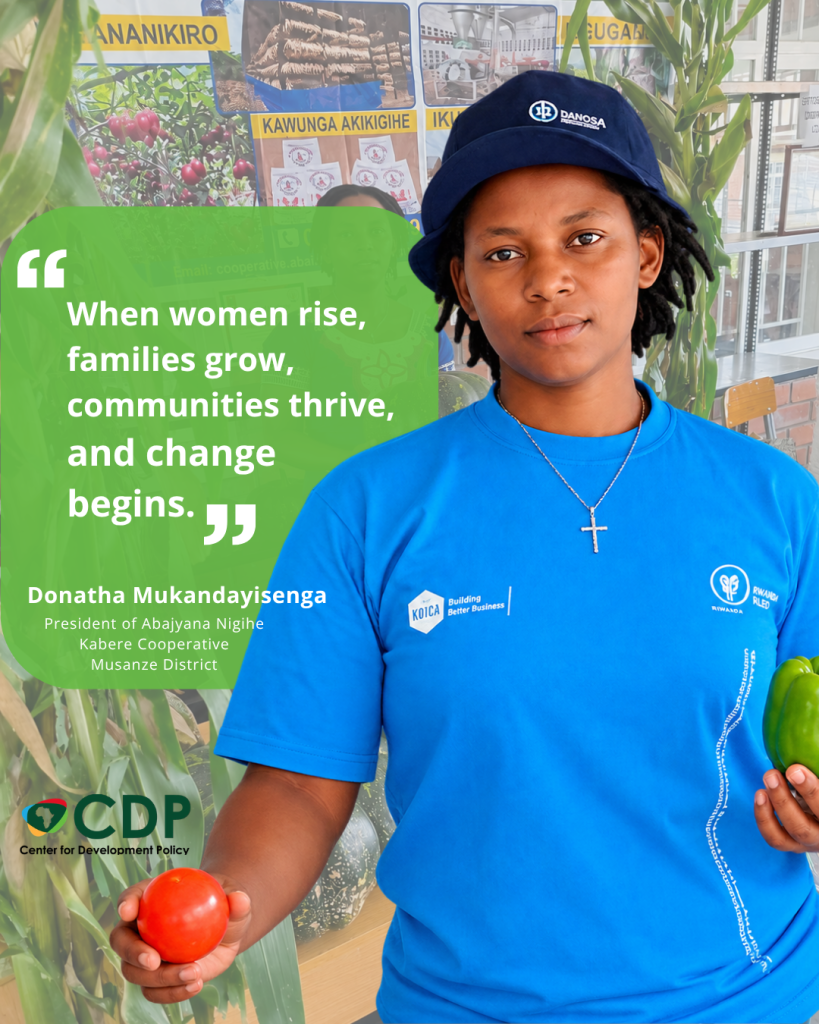
How Abajyana Nigihe Kabere Cooperative is Empowering Women, Strengthening Communities? For years, many women in rural Rwanda rarely participated in household decision-making or held leadership positions in their communities. Today, that narrative has changed, with women increasingly taking on leadership roles, improving household incomes and driving local economic transformation through cooperatives. At Abajyana Nigihe Kabere […]
When Vision Goes Beyond Sight: The Story of Jean Damascène Sinzabaheza

When vision goes beyond sight: a person with disability, a cooperative leader transforming lives in Musanze Jean Damascène Sinzabaheza, a person with a visual disability and president of Dukomeze Ubuzima Cooperative, stands beside a potato harvest, highlighting the impact of Center for Development Policy’s support. When Jean Damascène Sinzabaheza lost his sight, many assumed his […]
Enhancement of the Sector Working Group & Thematic Working Groups on ClimateChange, Environment and Natural Resources Effectiveness
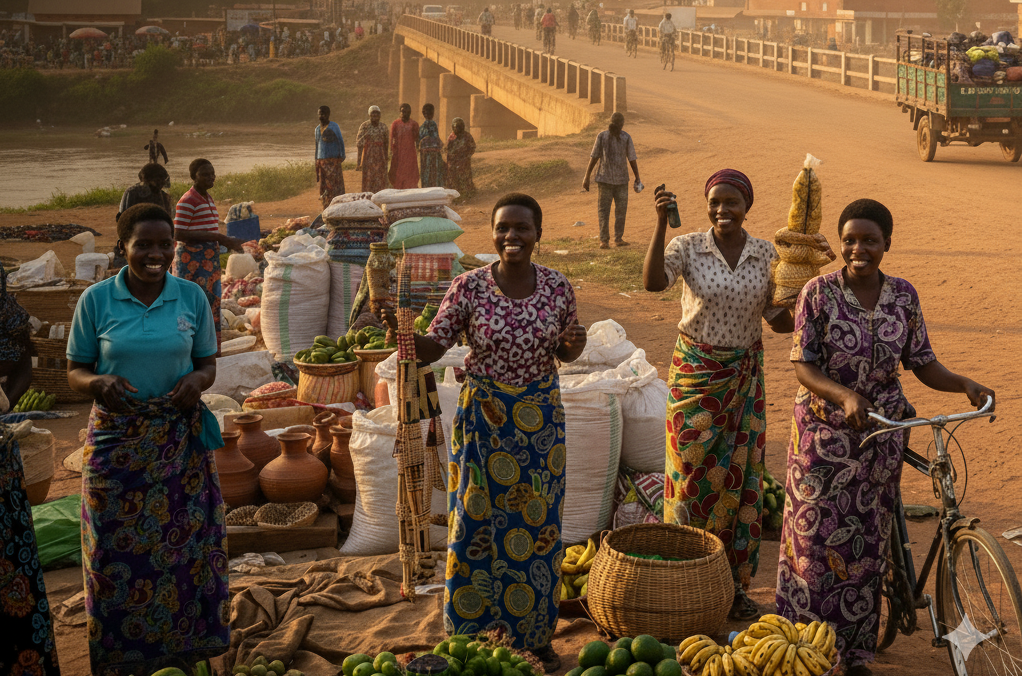
The study was an initiative led by the Ministry of Environment of Rwanda in collaboration with the German Cooperation (GIZ). It aimed at strengthening governance systems within the Climate, Environment, and Natural Resources (CENR) Sector Working Group. The study identified key institutional, policy, and coordination gaps that influence effective governance and proposed actionable strategies for improved sector performance and accountability.
Study on Women and Youth in Trade

Commissioned by GIZ and MINICOM, this study analyzes the participation of women and youth in Rwanda’s trade sector to inform the country’s negotiation stance for the AfCFTA Women and Youth Protocol. Highlighting that 85% of cross-border traders are women and youth, the project identifies critical barriers such as financial exclusion, limited market information, and capacity gaps across sectors like services, textiles, and agriculture. The study provides evidence-based policy recommendations focused on digital trade, financial access, and standards harmonization to better integrate these demographic groups into regional value chains and ensure inclusive economic growth under the AfCFTA.
Unlocking Youth Employment Opportunities Through Systemic Agricultural Transformation
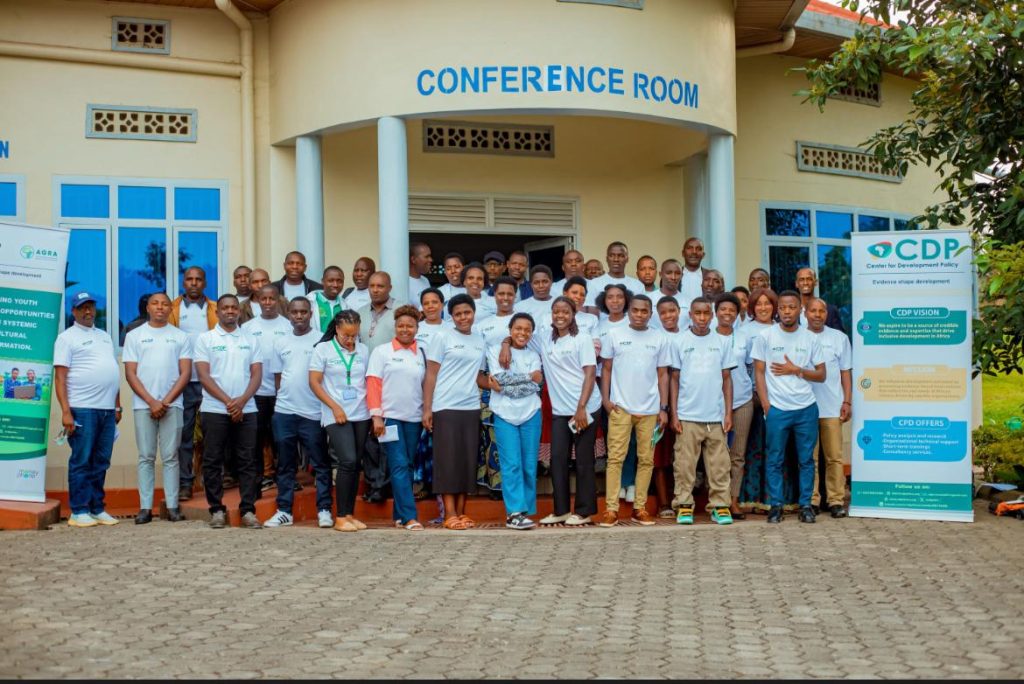
Overiew: This project addresses the critical challenge of youth access to finance in Rwanda’s agricultural sector by establishing a comprehensive national database of agricultural cooperatives. Through data analytics, tailored capacity building, and digital lending solutions, we’re transforming how young people access opportunities in agriculture.
Remittances, Financial Institutions and Economic Growth in Eastern Africa
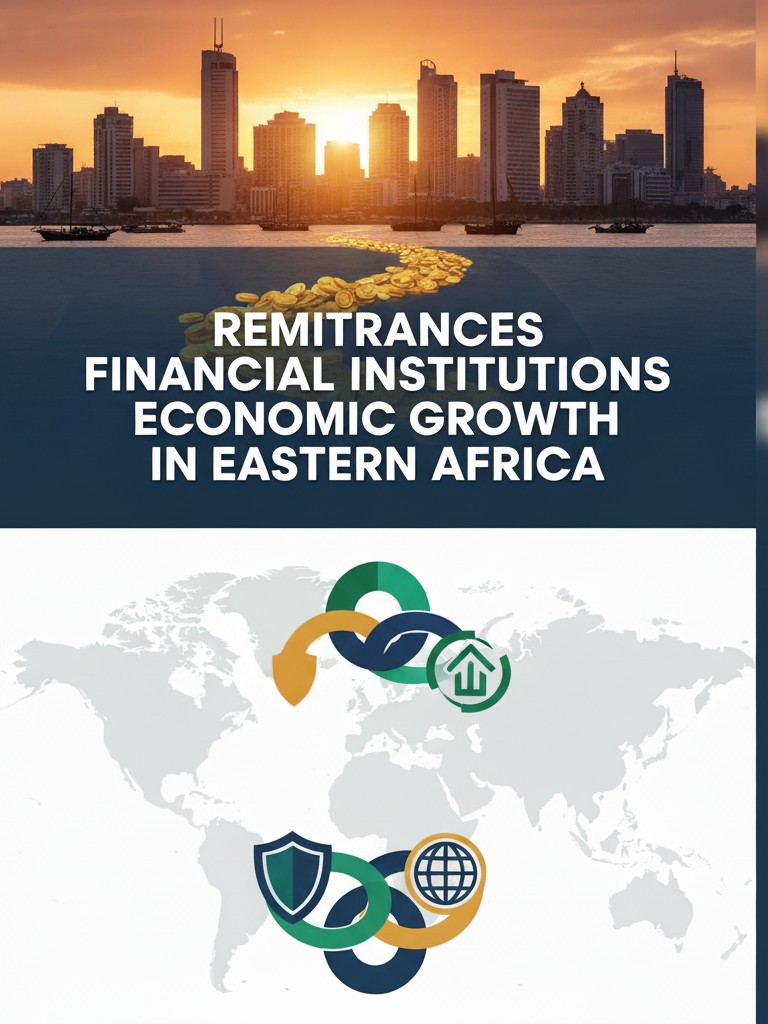
This paper investigates remittances, financial Institutions and economic growth in Eastern Africa, focusing on the interaction between remittances and financial institutions, as well as the role of institutional quality and governance. Remittances are a crucial financial flow for many developing economies, and their potential to contribute to economic growth is significant.
Trade Openness and Economic Growth in Rwanda
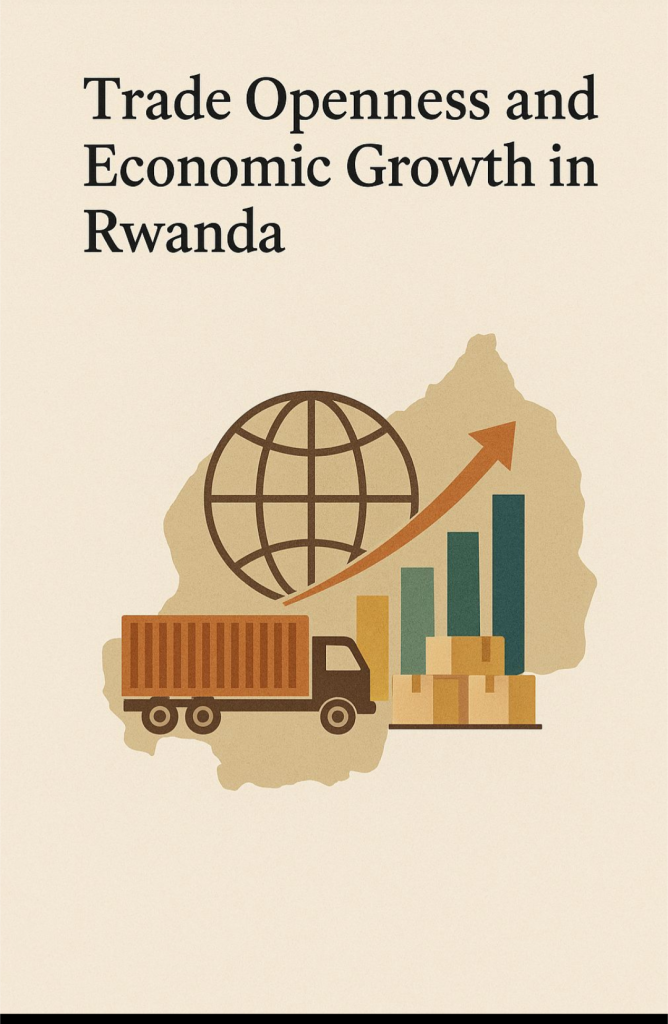
This paper empirically examines the impact of trade openness on the economic growth in Rwanda for the period between 1980 and 2022. The analytical framework of this study is embedded in the theoretical and empirical debate between three dominant theoretical approaches about trade openness and economic growth: the Ricardian- Hecksher-Ohlin trade Theory and Endogenous Growth Theories.