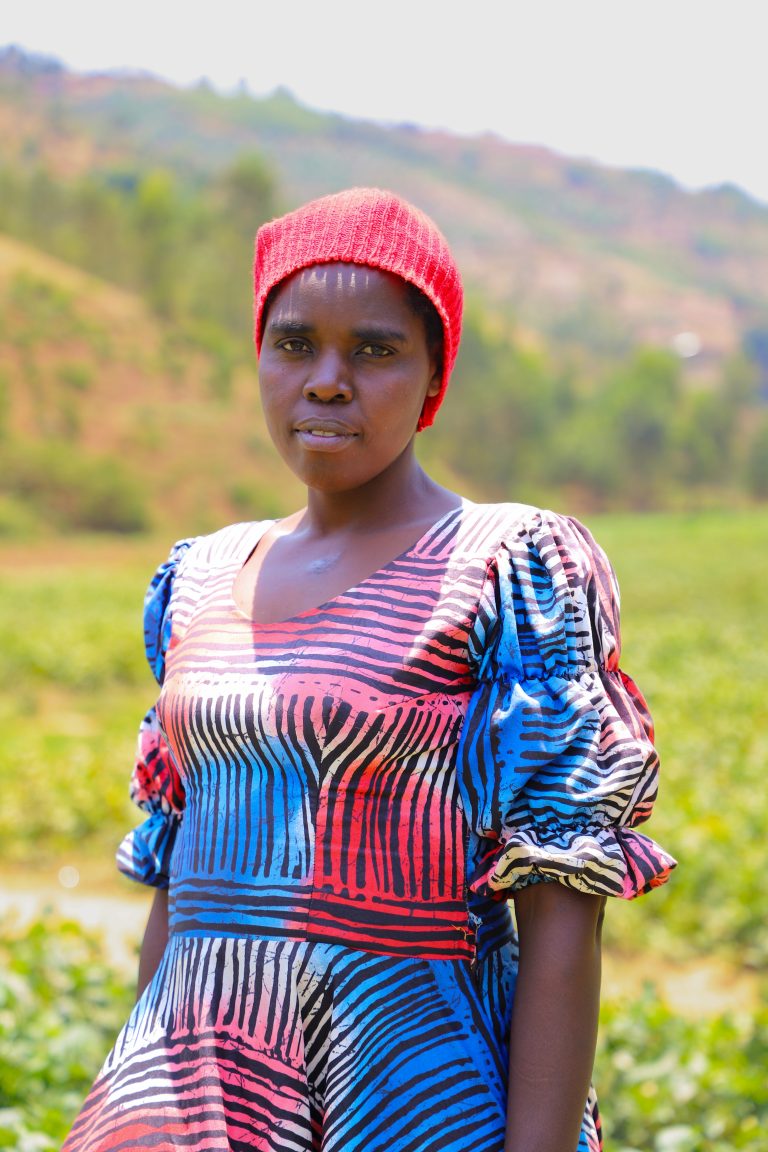
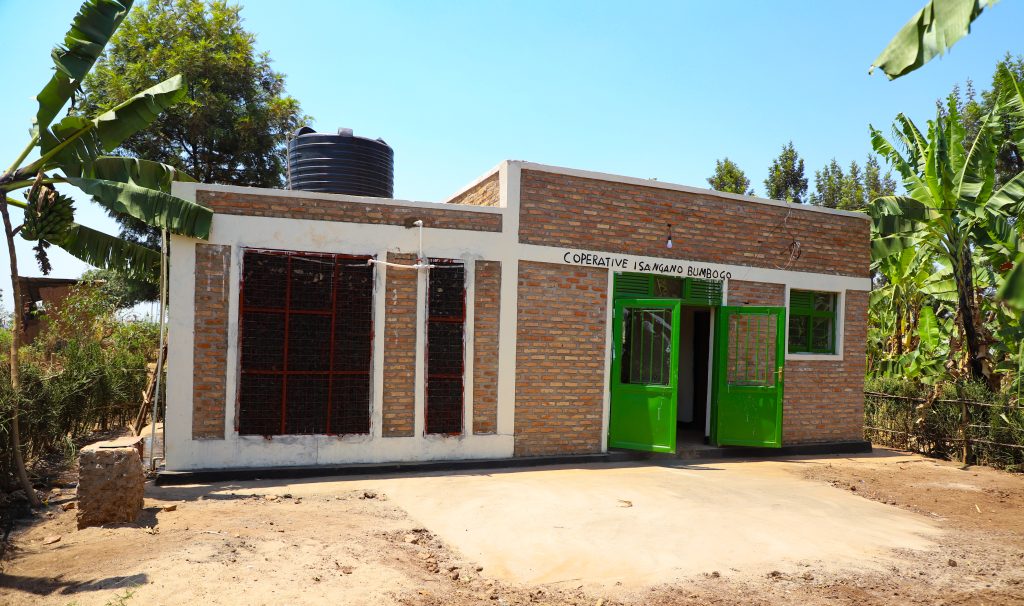
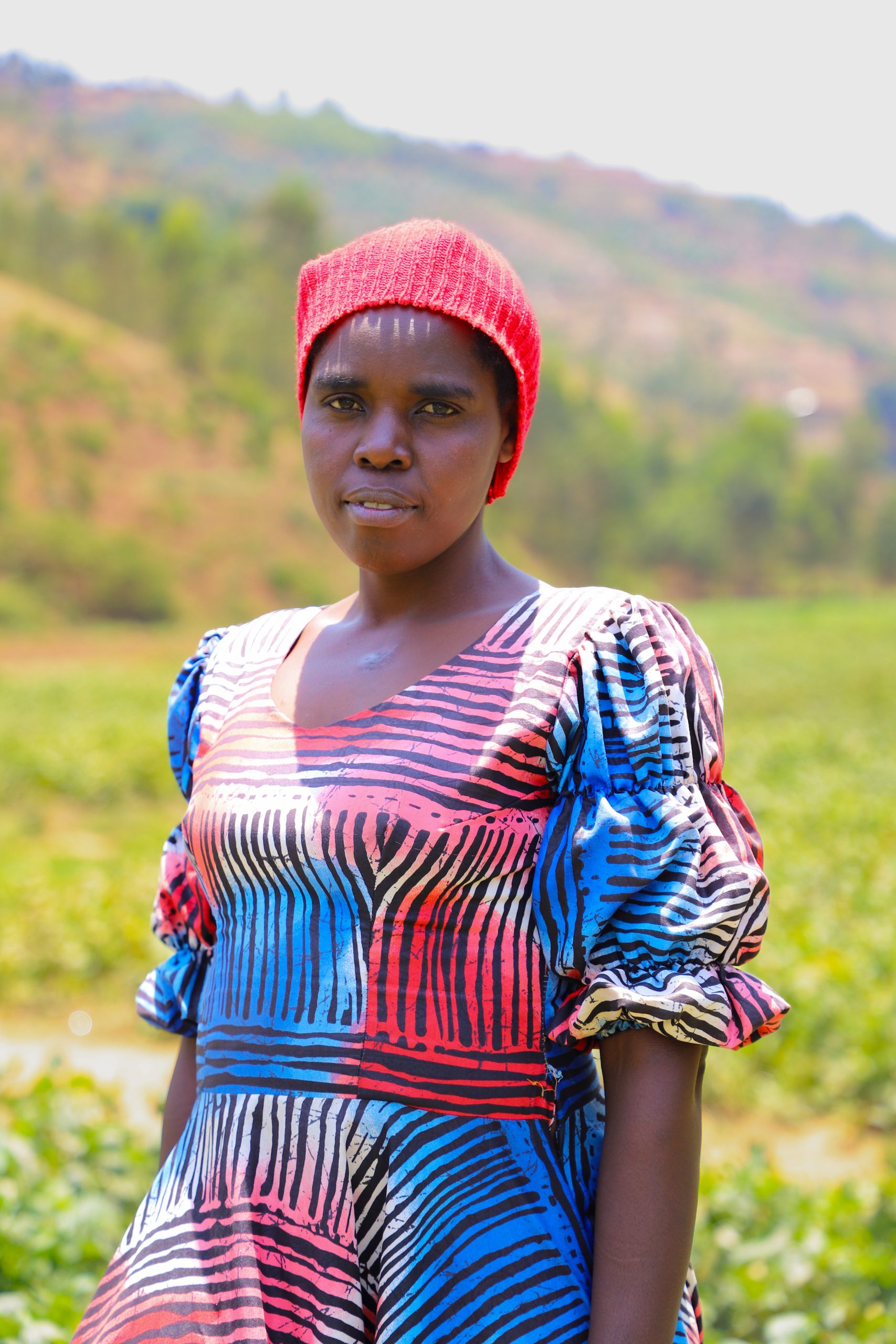
In 2017, twenty-eight farmers in the Bumbogo Sector of Gasabo District came together with a goal to grow vegetables and fruit on a shared plot of land and build a better life through agriculture. They called themselves Isangano-Bumbogo, and their president, Emmerance Mukamurigo, remembers those early days well.
“We used to get trainings in general, but we never really understood how things worked,” she recalls. “We kept working, but our production stayed at the local level.”
They farmed 1.5 hectares of land together, unplanned and unstructured, with all 28 members working the same plots on Tuesdays and Fridays without clear roles or responsibility. Their books were no better organized than their fields. “Mixing everything in one book was confusing,” Mukamurigo admits. “It was hard to keep track of anything.”
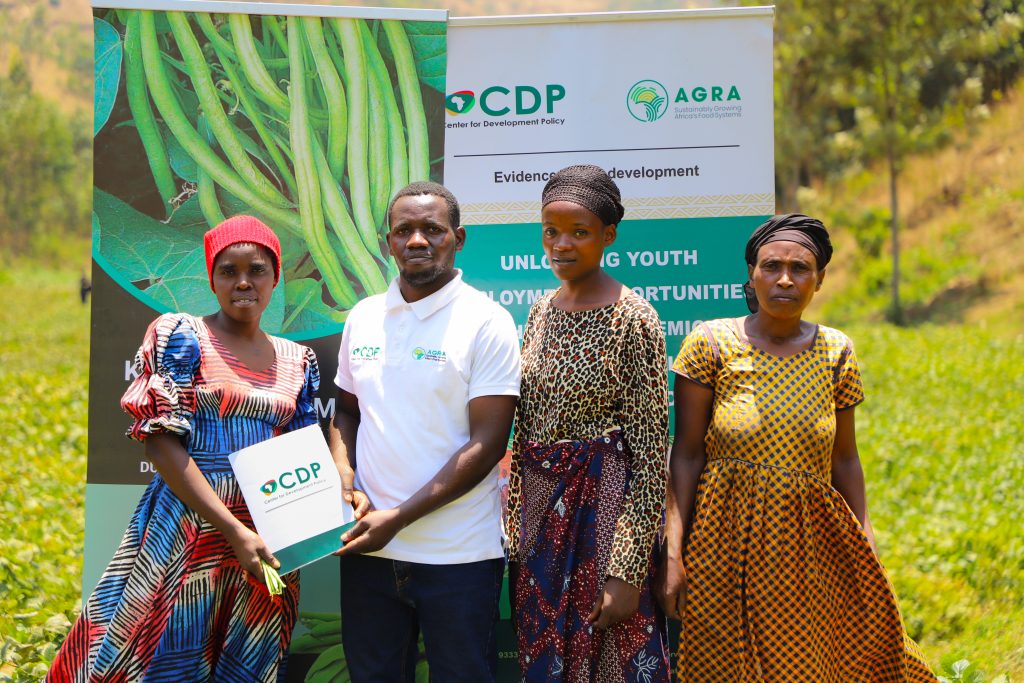
Then came the Centre for Development Policy (CDP).
Through CDP’s support, Isangano-Bumbogo received training that went far beyond the basics they would have known before, leadership, the real purpose of a cooperative, proper financial record-keeping, and how to work with formal financial institutions for the first time.
Mukamurigo recalls the transformation started with the books. Instead of one confusing ledger, the cooperative learned to separate its records: an investment book to track what was put in against what was harvested, so they could finally see, in black and white, whether they were making a profit or a loss, and make decisions based on evidence rather than guesswork. A membership book recorded shares and ownership clearly for the first time.
Leadership training brought the same clarity to people as the books brought to numbers. “As president, for instance, I might have wanted to also be the accountant, the decision-maker, all at once,” she says. Now, everyone knows their role, and the cooperative runs in a far more balanced, coordinated way.
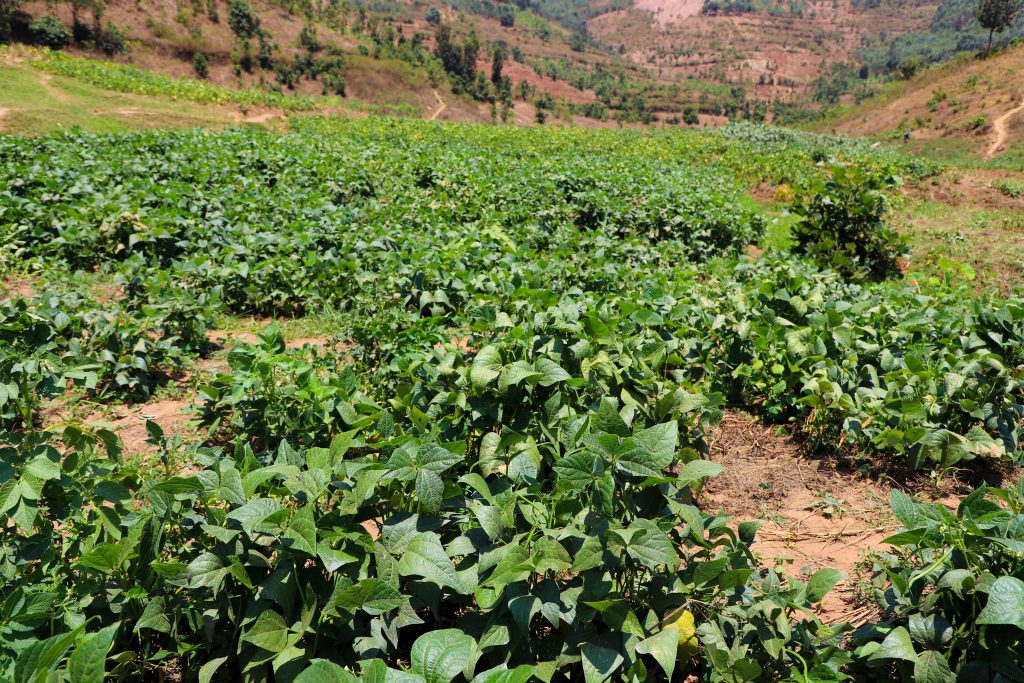
The land changed too. Where 28 members once cultivated undivided plots with no sense of ownership, the land was measured and divided into 28 individual blocks, each member responsible for his or her own portion. Another change came when CDP connected the cooperative with LOTEC, an export company working with Rwanda’s National Agricultural Export Development Board (NAEB), and connected the cooperative with an agronomist to teach proper cultivation techniques; the results spoke for themselves, where production on the same 1.5 hectares doubled, from five tonnes to ten.
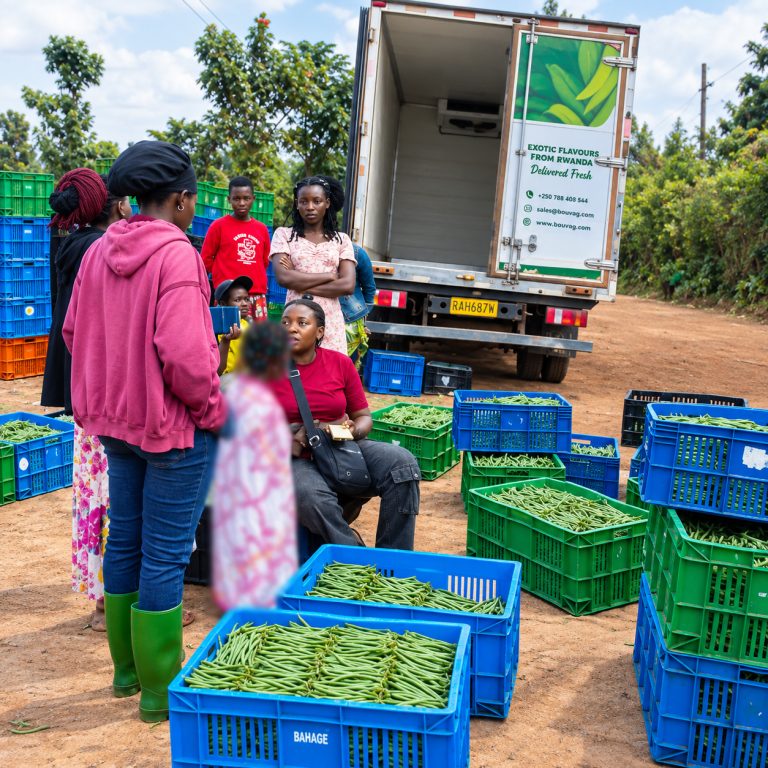
Green beans that once sold only in local markets now travel through export contracts with LOTEC and, more recently, two additional companies, ALMASI EXOTICS and SOUK Farms.
According to her, access to finance changed too. Where the cooperative had always relied on its own savings to fund farming, CDP connected them to money phone. It was, Mukamurigo says, the first time borrowing had ever felt easy.
CDP also invested directly in the cooperative’s next generation. Youth membership had always been low, so CDP took the time to train young people directly, explaining the benefits of cooperative membership until the numbers began to grow. “They are the future and the strength of the cooperative,” she says. “We gave them space.”
Today, the numbers tell their own story with 52 members, up from the founding 28, including 12 youth, 31 women, and the rest men.
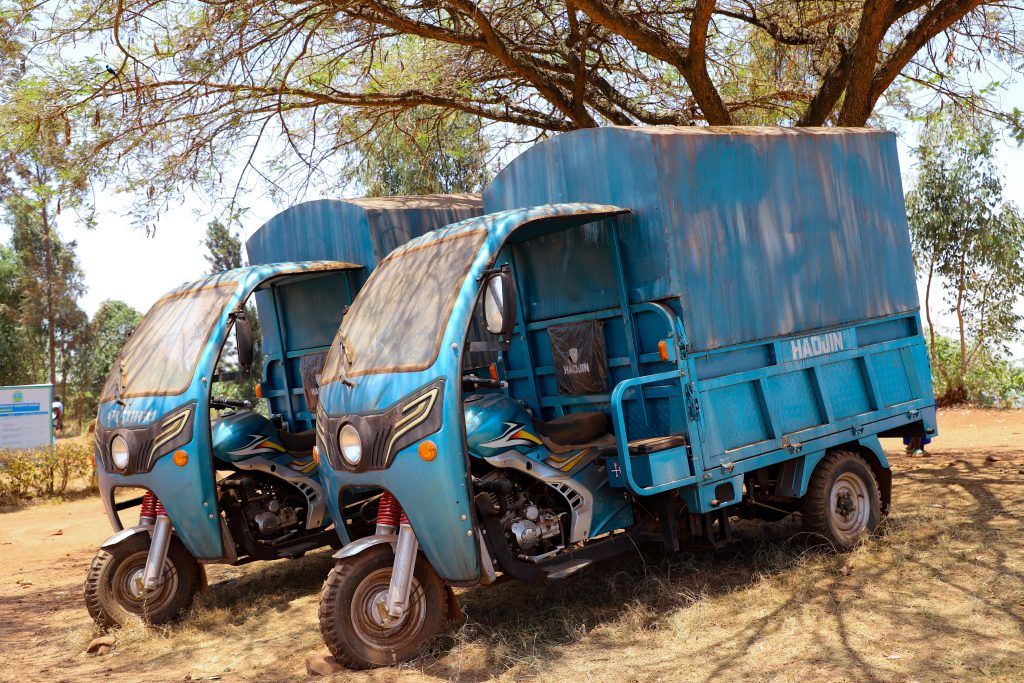
The cooperative’s assets include a forest valued at approximately RWF 5 million, a three-wheeled motorcycle with a large storage box (worth RWF 4.5 million) used to transport produce to market, and an organic cold room capable of preserving harvests for up to 20 days without spoilage.
Through on-field Good Agricultural Practice (GAP) training delivered by LOTEC and CDP field officers, the cooperative has increased its green bean production from 4 tonnes to 7.5 tonnes per season.
Meanwhile, RWF 6,700,000 in money phone loans were accessed and repaid, with the cooperative now actively considering formal financial institutions for their next stage of growth.
In terms of employment, 161 people are employed across Season C alone, a testament to how far a single cooperative can ripple through a community.
To Mukamurigo, what began as a disorganized group of people sharing a plot of land has become an export-oriented business with its own infrastructure, its own systems, and its own plan for the future.
For Isangano-Bumbogo cooperative, the CDP partnership did not just open a door to export markets; it built the systems, the leadership, and the confidence needed to walk through it and stay there.