
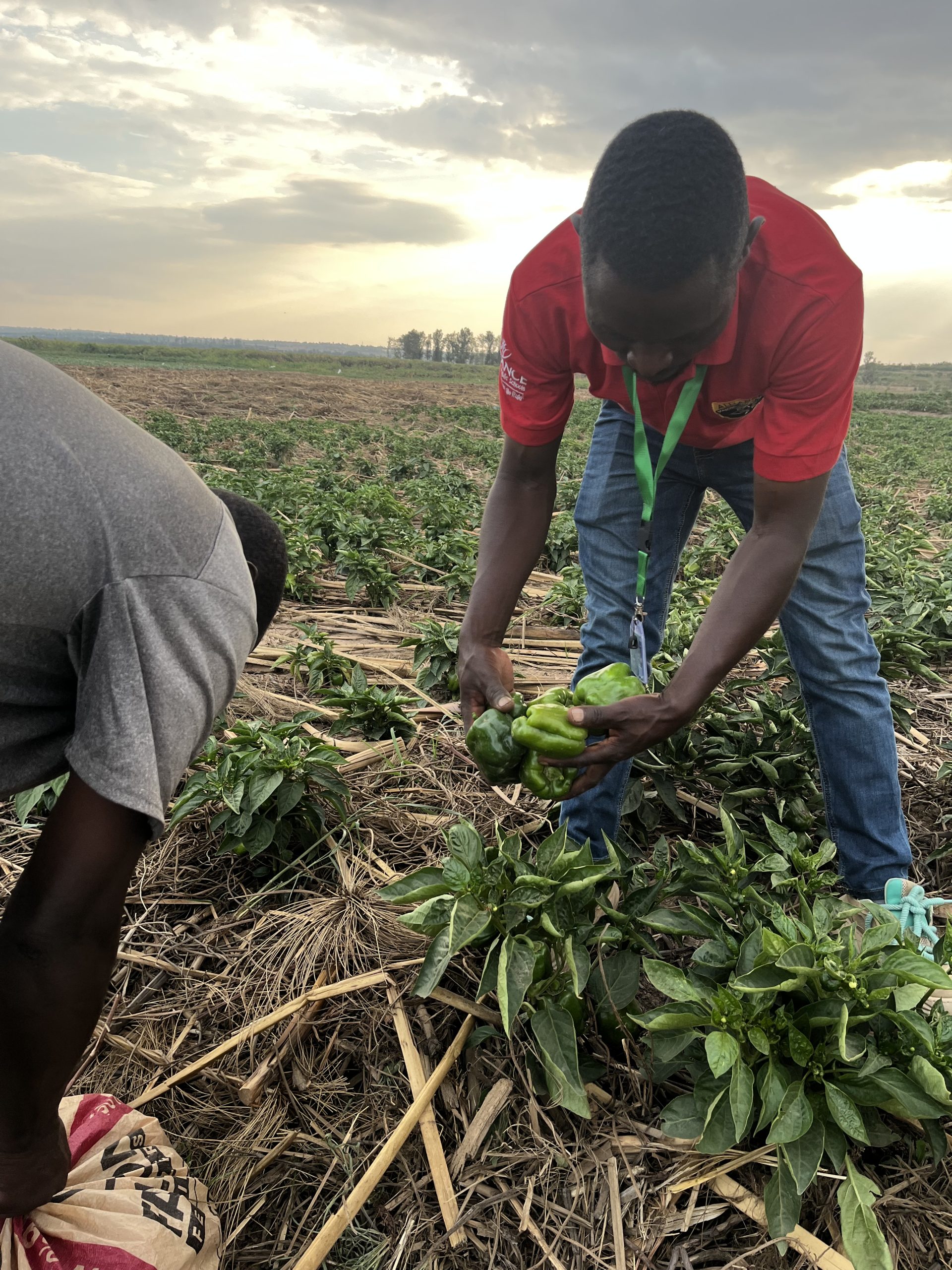
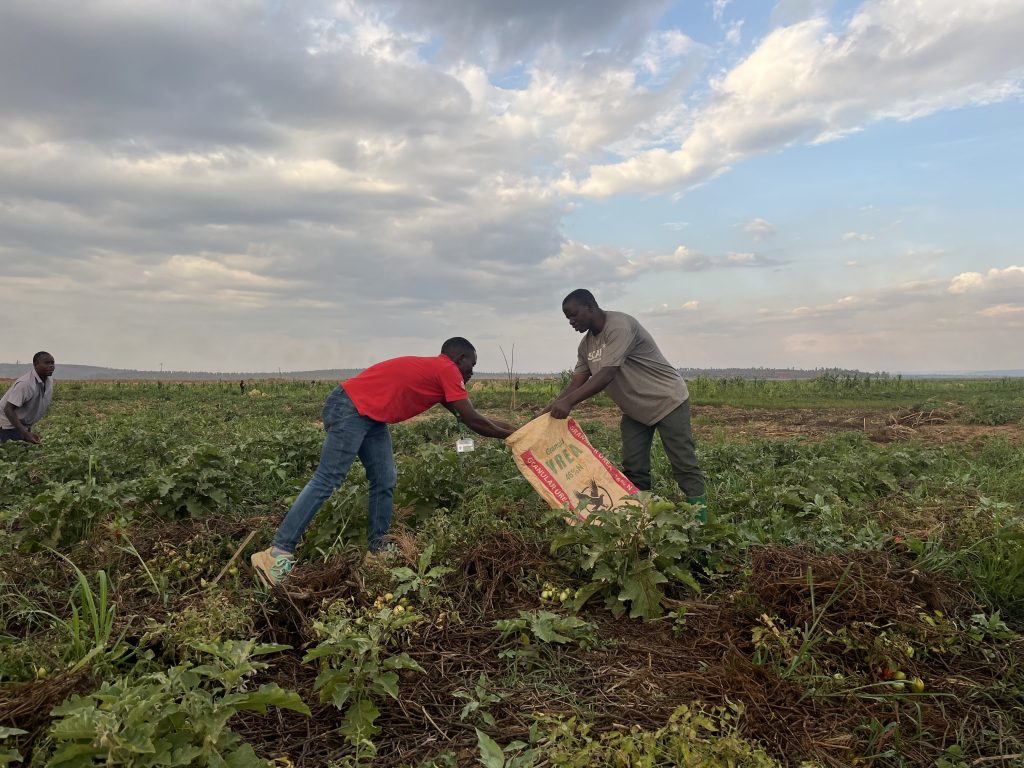
In the wetlands of Kanyonyomba, 135 farmers shared the same problem where they had land and ambition, but no way to pay for what they needed to grow. Without individual collateral or limited business track record, banks would not lend to them. This made it hard for KOPUBIGA, a cooperative of 95 men and 40 women farming 25 hectares of marshland, to grow its in Bugesera District.
For years, this meant the cooperative had to rely only on itself. Members could only invest what they already had, which slowed down their growth.
Today, that story is changing.
Through the Center for Development Policy (CDP)’s training in business planning and business documentation, along with coaching and mentorship that led to a partnership with the financial provider MoneyPhone, KOPUBIGA has gained access to new financing opportunities, enabling members to invest in farming on time.
The training and coaching have also strengthened the cooperative’s management systems. In addition, KOPUBIGA is now implementing a five-year strategic plan developed with CDP, aimed at increasing production and professionalizing its operations.
After CDP connected the cooperative to MoneyPhone, KOPUBIGA secured a loan of approximately RWF 25.05 million, distributed among 82 of its 135 members. The cooperative has invested heavily in a new tomato variety called Captain 250, which is expected to boost production from 30 tonnes to 75 tonnes on just 15 hectares.
For a cooperative whose members had long struggled to access affordable financing, the impact is already visible.
“The connection with MoneyPhone was very important because it gives us easier access to loans. It has helped us get the financing we need to carry out our agricultural activities on time,” said cooperative president Evariste Mporwiki.
From a local need to a growing agricultural cooperative
According to Mporwiki, KOPUBIGA was established in 2011 in Gashora Sector, Bugesera District, in response to a local shortage of vegetables, particularly tomatoes and bell peppers.

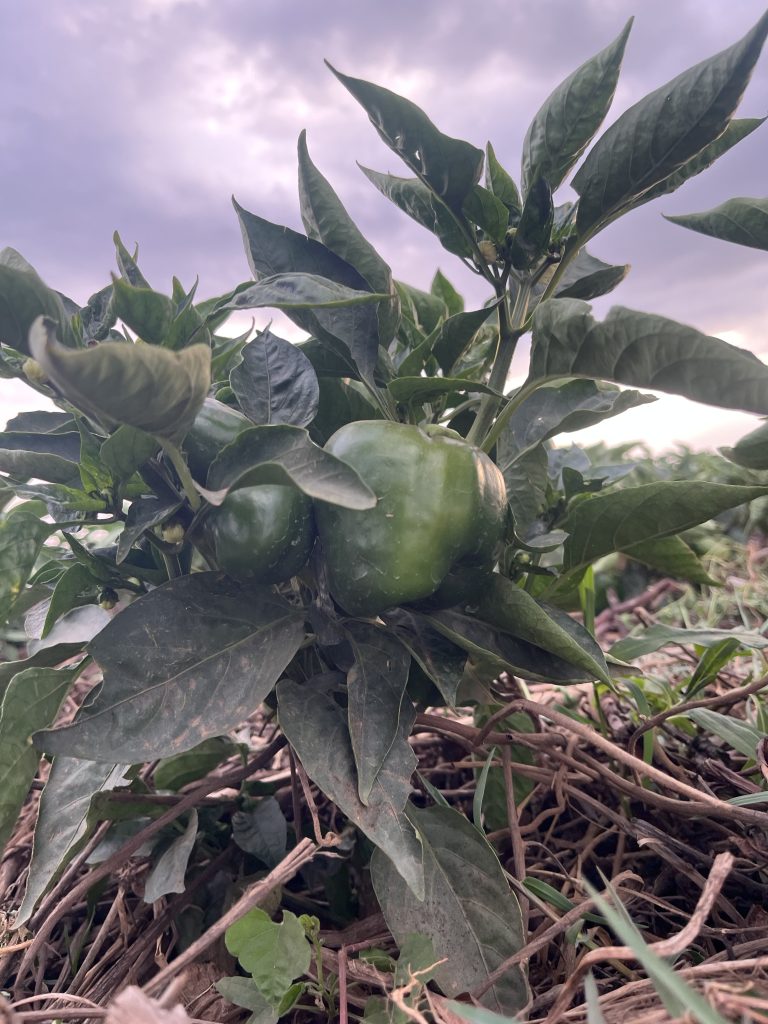
At the time, members cultivated rented land across different locations. The cooperative later received district support in the form of access to wetland areas where members could carry out agricultural activities.
The journey, however, was not without setbacks. In one of its earlier ventures, the cooperative invested heavily in watermelon production across about 25 hectares. The project resulted in significant losses in 2015, presenting a major challenge for the young cooperative.
Rather than abandoning agriculture, members pressed on, gradually building experience and resilience. Over the years, the cooperative expanded and diversified its production, growing crops that now include rice, beans, maize, potatoes, tomatoes, and other vegetables.
Breaking the financing barrier
Despite its agricultural potential, financing remained a major constraint. Cooperative members had previously obtained loans from banks, but high borrowing costs and strict collateral requirements made it difficult to secure sufficient funding for agricultural activities.
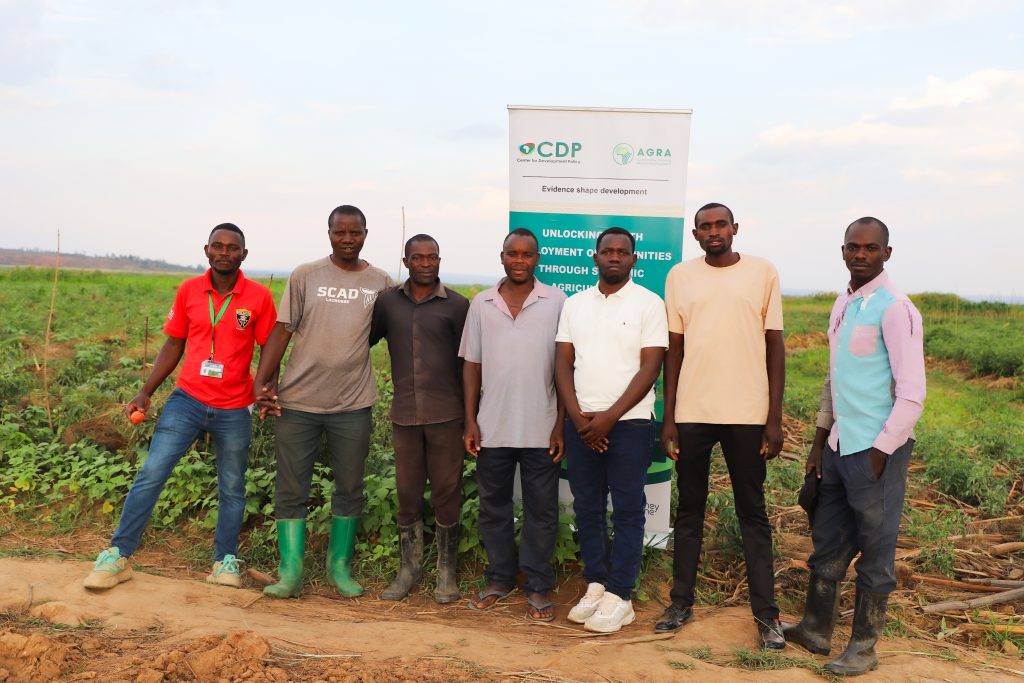
This is where CDP’s intervention became particularly important. Through its support, cooperative members received training in financial management and leadership, while the cooperative was linked to financial institutions and potential financing partners.
Mporwiki noted that the training changed the way the cooperative manages its financial records. Previously, members relied on a single book to record all types of information, making it difficult to track transactions clearly and complicating monitoring and auditing.
Following the training and coaching, members learned to use separate books for different records, understand the purpose of each, and manage the cooperative’s finances more systematically. These changes have made the cooperative’s financial information clearer and easier to monitor and audit.
“We used to use the same book for all our records. Through the training, we learned how to differentiate the books, and now our records are clear. We know which books to use, how to use them, and how to manage the cooperative’s finances,” Mporwiki explained.
With clearer records and stronger financial management systems, the cooperative is now better positioned to demonstrate its financial standing and seek financing for its activities.
RWF 25.05 Million opening new possibilities
The financing secured through MoneyPhone, with CDP’s support, has provided the cooperative with capital it can deploy when needed most. KOPUBIGA requested about RWF 25.05 million and is currently accessing the funds progressively.
According to Mporwiki, access to the loan has allowed members to carry out cultivation activities more quickly and on time, which is expected to contribute to increased production.
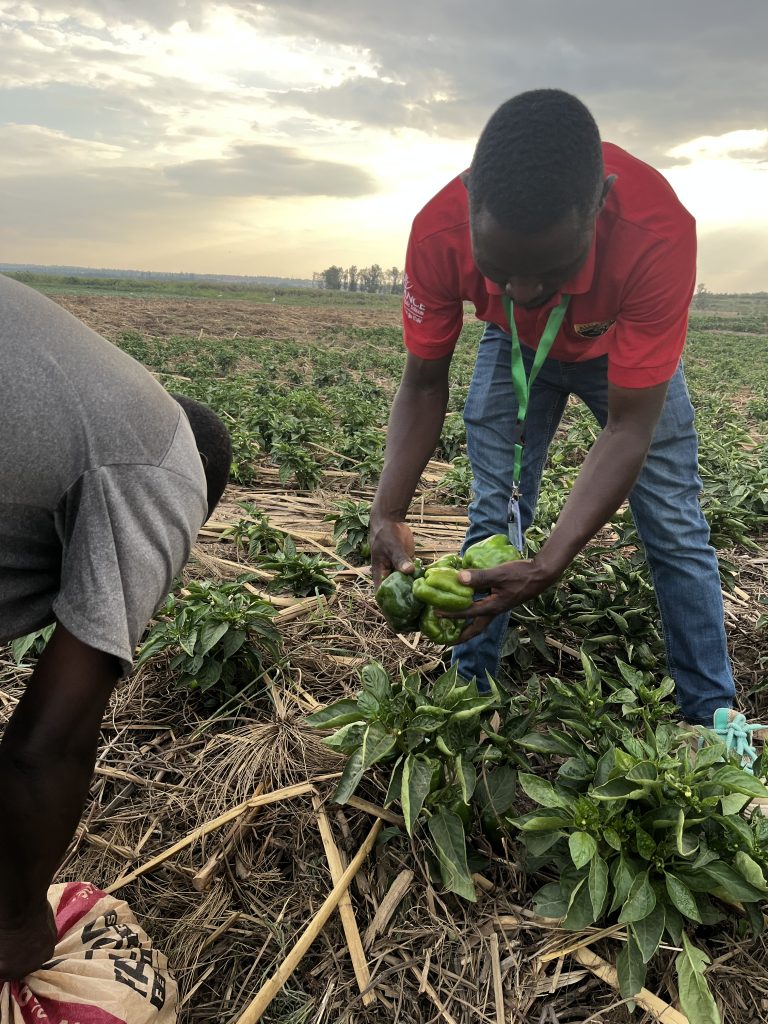
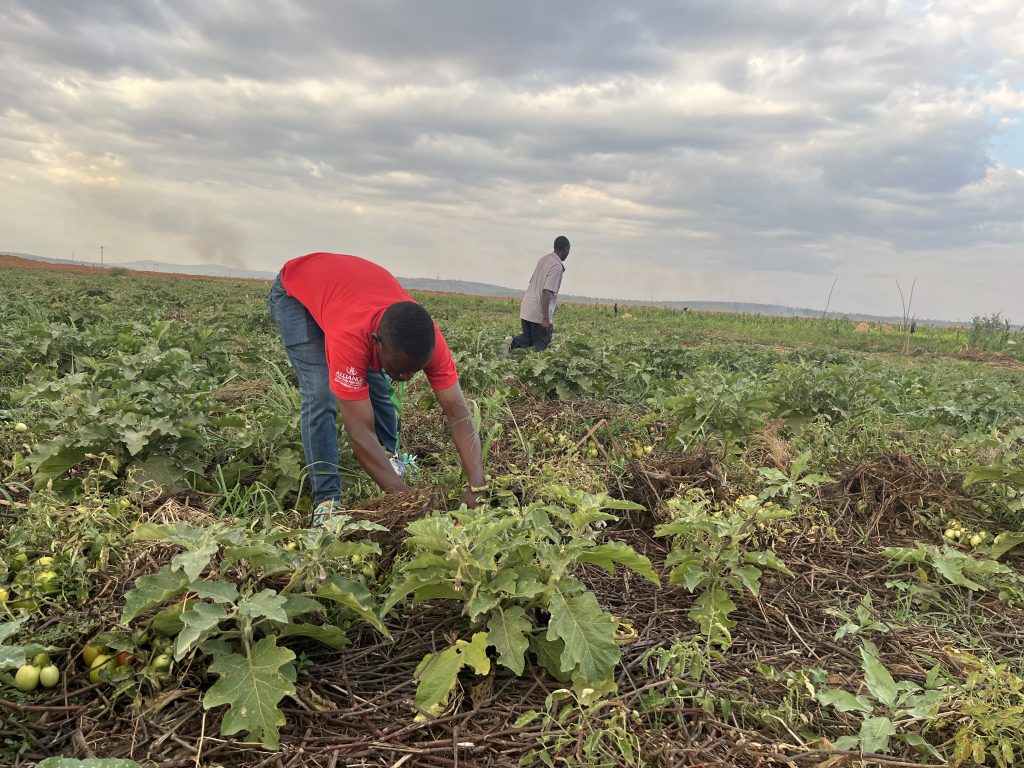
For farmers, timing is critical; delays in accessing funds can mean missing the right planting window, failing to purchase inputs on time, or being unable to adequately prepare land. Mporwiki noted that by improving access to financing, the partnership is helping the cooperative respond more quickly to its agricultural needs.
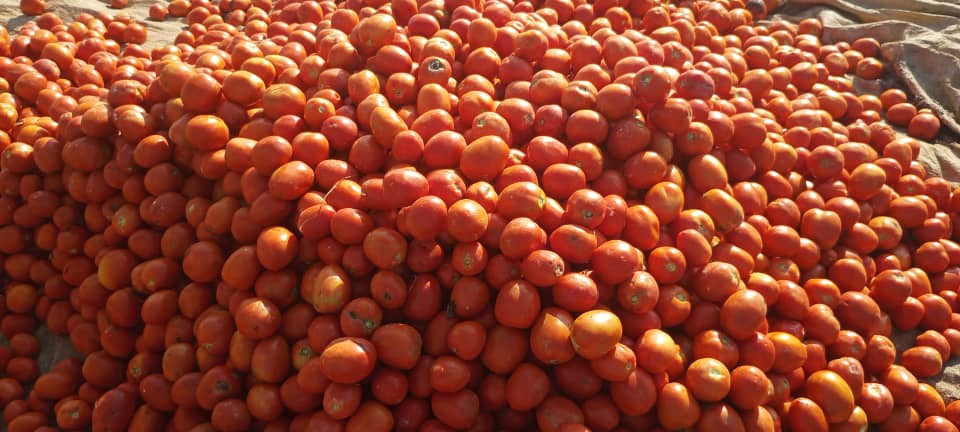
The cooperative also pointed to the role of CDP’s linkages in creating further opportunities, including connections with potential buyers and markets such as Agriseeds Kayonza Ltd, which processes tomatoes into tomato paste. Members believe that stronger market connections, combined with improved access to finance, could help scale up production and strengthen the cooperative’s income-generating capacity.
Beyond Finance: building a stronger cooperative
While access to credit has been one of the most visible outcomes, members say CDP’s contribution goes beyond financing. CDP has also provided coaching and mentorship in financial management, helping members better understand their respective responsibilities within the cooperative.
Leadership training has encouraged members to work together more effectively while ensuring that each understands and fulfills their role, strengthening internal organization and contributing to better governance.
For the cooperative, this aspect of the support is particularly important, since access to finance alone cannot guarantee sustainable growth.
“A cooperative needs strong management systems, transparent financial records, accountable leadership, and members who understand how to work together,” Mporwiki said.
CDP’s approach has combined capacity building with practical financial linkages, allowing KOPUBIGA to address both the internal and external challenges that once limited its growth.
Mporwiki emphasized that the transformation at KOPUBIGA is still ongoing. For farmers who once struggled to secure financing due to collateral requirements and limited access to appropriate financial services, these new opportunities represent more than just a loan, they represent greater productivity and turnover, the ability to invest when needed, and the confidence to expand and plan for growth.
The experience of KOPUBIGA demonstrates how targeted, combined support from CDP can help cooperatives address multiple challenges at once.